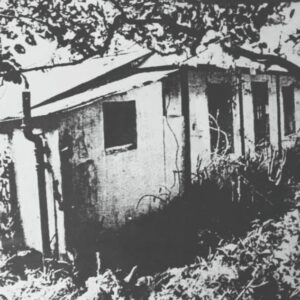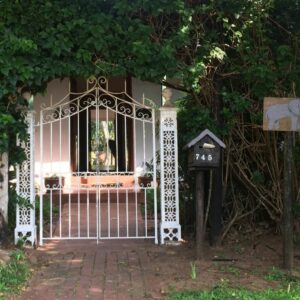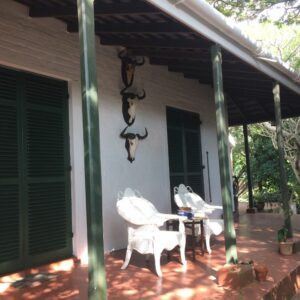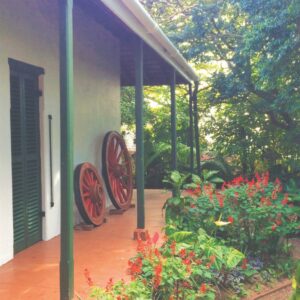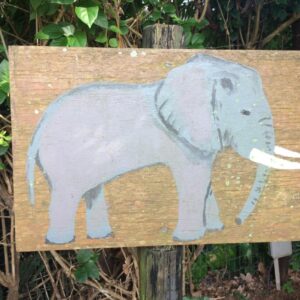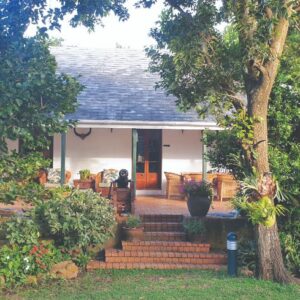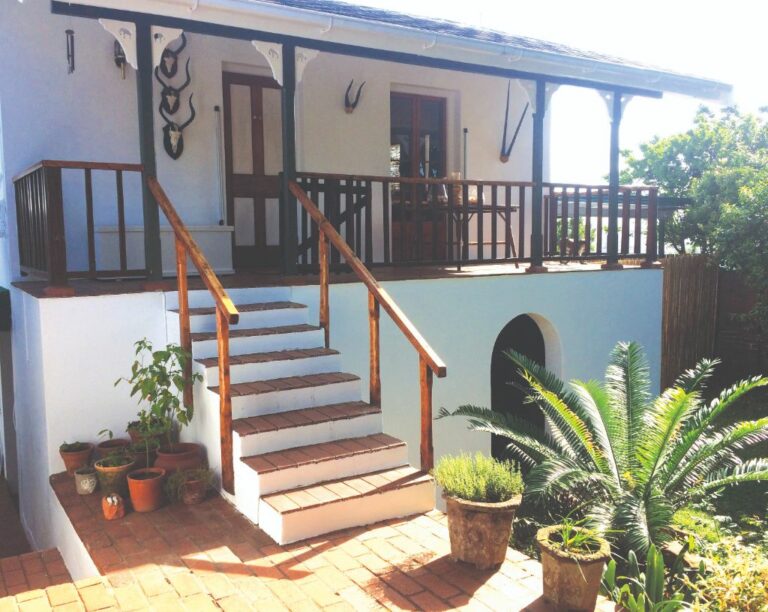
The Elephant House, situated at the highest natural point of the Berea overlooking the sweep of land down towards the Indian Ocean, is the oldest surviving house in Durban, writes Christine Prescott Sole.
Built in 1849, the Elephant House has been threatened on several occasions during its lengthy history – whether by elephants or potential developers. Although it had been proclaimed a national monument in 1978, when this old colonial home came up for sale during the lockdown last year, it was not guaranteed that the house would survive. Despite heritage house protection laws, many historic homes on the Berea have fallen prey to urban densification.
The then owners, Brian and Elaine Agar, who were downsizing and moving to live closer to family, were determined they would only sell to a buyer who would “treasure, maintain and share it”.
But there was still a quiver of concern among long-standing residents, local walkers and those familiar with the social history of Durban, that there would not be a happy ending to this sale scenario.
When the Agars had bought the property in 1975, it was touch and go at the time that the Elephant House would survive.
Brian, an attorney, had initially intended to demolish the building. However, convinced by friends of its architectural and historical importance, and intrigued by the legend of the elephants, he decided to devote time to restoring and preserving the run-down dwelling.
So, what’s with the name?
Well, thereby hangs a tale of elephants and tracks and animal lore, interwoven with the city’s history, once a nascent, bay-side port, growing into the metropolis it is today.
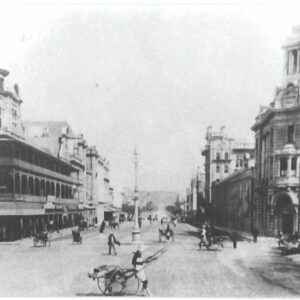
When construction of the Elephant House began in 1849 (the same year the Durban Botanic Gardens was founded), the town consisted mostly of wattle and daub-type dwellings made with black mangrove poles from the dense forests which surrounded the bay. (Their high tannin content made them less susceptible to termites and wood rot.)
Durban had only one brick house at the time.
Living in “town”, the Milner brothers – Henry, Philip and Thomas – wanted to build a weekend hunting lodge and chose the most prominent part of the Berea, from where the coastal forests rolling down to the sea provided spectacular views.
The spot they selected was at the crest of a sandy track that led eastwards, down what is now Florida Road, to the marshes in the Greyville area.
Construction began – the central and the oldest part of the house being built with sun-baked bricks and seashell mortar, resting on a foundation of sandstone boulders.
However, Durban at that time still had herds of elephant and resident lions roaming the Ridge and the house was on the route the elephants used on their daily trek to the Greyville marshes for water.
None too pleased with an obstruction in their way, the elephants made their feelings known; the wooden veranda posts were smashed on numerous occasions and other damage was done to the infrastructure.
Hence, the dwelling came to be known as “the house that withstood the elephants”.
Very soon came the inevitable clash between wildlife and a growing population. As the migration of settlers from the steamy, low-lying town to the attractive, cool slopes of the Berea grew, the huge herds of elephants were decimated. By the early 1850s they had been completely eradicated. In 1854 the last lion on the Berea was shot, as noted in The Natal Mercury of the day.
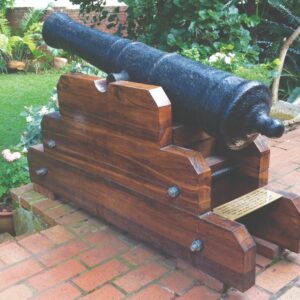
When Edward Snell bought the Elephant House in 1857 he installed a cannon which was fired every New Year’s Eve. The handsome three-pounder cannon that now overlooks the garden came from the ship Ariosto that was wrecked in 1854 on Back Beach (now the Addington foreshore).
The Elephant House passed through several hands until 1883 when it was purchased by Mr Alexander Murchie. It remained in the family for nearly 100 years until bought by Agar in 1975.
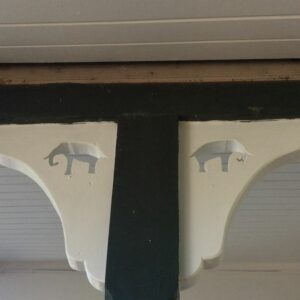
During their 46 years in residence, the Agars raised three children and spent decades restoring the old home into an elephant-themed haven in the city.
Their fervent wish for their legacy to be continued has been fulfilled by the new owners, the Aboud family, who are dedicated to preserving this legendary Berea home, for themselves and for posterity.
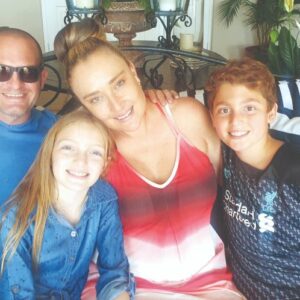
The Elephant House has been saved from the hammer – once again. Husband and wife team, Rosie and Matthew, together with their youngsters, Gabriel and Lilly, are thrilled to be a part of the more than century-and-a-half of history that is the Elephant House.
It’s almost as if the Elephant House and the Aboud clan were destined for each other – Matthew has fulfilled a childhood dream, while the old house has found its “forever family”.
Says Rosie, “Matthew used to live diagonally opposite the Elephant House in his younger days. He remembers riding his bike past the house on the way to the local tearoom to buy sweets. Being an old Durban boy, he was aware of the story behind the house. Besides, there were his parents who, among other things, bought, restored and sold houses – it was almost as if us buying the Elephant House was meant to be.”
“We both love the bush and together ran a game farm for several years. It was there that I had numerous close encounters with Rambo, the rogue elephant. I learnt a great deal about how curious and territorial these creatures are, and can quite understand that they’d be very displeased with anything in their pathway, like a house.”
Until last year, Rosie thought her elephant days were long gone. “We had sold our home in Mount Edgecombe and were renting in Lambert Road, not quite sure where we were headed,” says Rosie, “when Matthew spotted the advertisement for the sale of the Elephant House. He was really enthusiastic. I was like, ‘What on earth is the Elephant House?’
“Anyway, we went off to visit the property and met the owners, Brian and Elaine, who were clearly sad to leave and concerned about the future of the property.
“Needless to say, although we had fallen in love with the Elephant House, buying it was quite a daunting prospect as there was much restoration work that needed to be done before we could move in.
“We would sit until late in the night, wondering about what we were doing? I phoned Matt’s mother and she said, ‘Do it. You are buying a piece of history’.”
The Aboud family lived in the guest house during renovations and finally took up residence earlier this year.
Notwithstanding a few modern touches, much is still the same in the Elephant House; the integrity of the old dwelling has been meticulously maintained, even returning the outside to its original white.
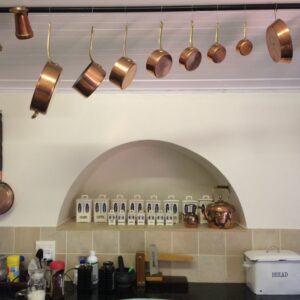
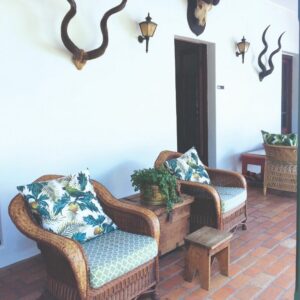
Many of the historical treasures that belonged to the Agars have been left behind – a large old iron mangle for wringing out washing, a coal stove and a boot scraper for mud, among others – and have found homes on the shady verandas or in the cool interiors.
The guest house, which for now is a home for visiting family and friends, may in time be a B&B.
“We have both had extensive experience in hospitality,” says Rosie. “Then, there’s a plan for the future to hold English High Teas at the Elephant House.
“That way we’ll be able to share our special home with small groups of visitors who will book for the event, either during the mornings or afternoons, fulfilling the Agars’ wishes to give people access to the story of the Elephant House.
“But for now, we are just enjoying our old-world home in the city. Ten-year-old Lilly loves our new home and the peacefulness of the place; she says it’s like being in the bush. Our son Gabriel is convinced he’s going to still be here when he grows up. We are really happy – and we’re here to stay.”