
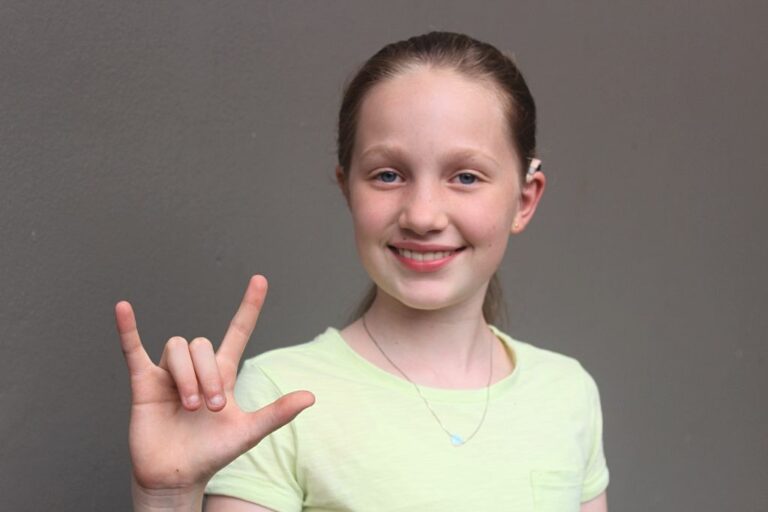
Launch of First-Ever World Report on Hearing: a clarion call to hearing health for all.
World Hearing Day is observed on 3 March every year to raise awareness about this invisible and far-reaching epidemic.
2021 marks a global milestone with the launch of the World Report on Hearing (WRH). The WRH is an influential multinational stakeholder initiative led by the World Health Organization’s World Hearing Forum. In partnership with the WHO, a group of South African stakeholders has been leading a number of activities to observe this important event and raise awareness on hearing loss and ear and hearing services in the country.
Disabling hearing loss affects half a billion people globally. In South Africa, more than four million people are living with hearing loss. 60% of childhood hearing loss can be prevented through several different interventions, including but not limited to, managing and preventing ear infections timeously and immunising children against infections that can cause hearing loss. The second most important risk for adult hearing loss, noise exposure, is entirely preventable through safe listening to music and hearing protection in work environments.
For those who have hearing loss, social stigma, late diagnosis and intervention, and a lack of support often leave people feeling isolated in a world that may not value or include them. Issues such as unequal education, a lack of access to supportive technologies, and limited access to language support mean that people with hearing loss remain one of the most marginalised and underserved populations in South Africa.
In a country where health care burdens such as HIV, TB, malnutrition, and the COVID-19 pandemic understandably consume much of the health system’s capacity, hearing loss is seldom afforded sufficient attention or resources. The reality, however, is that unaddressed hearing loss is all too common and comes at a significant cost to individuals, communities and society. The estimated global cost of unaddressed hearing loss is $750 billion. While not life-threatening, individuals living with hearing loss may feel isolated and disconnected due to its impact on communication and connection when the appropriate support structures and opportunities are not in place. Access to information is also a great challenge, needing careful consideration to ensure that communities and systems are inclusive to those with a hearing loss.
Much can be done to reduce preventable causes of hearing loss. It is a shared responsibility to see that people who have a hearing loss are offered the resources and support that they need to live their best lives and contribute meaningfully to our country. With this in mind, the World Hearing Forum’s theme for this World Hearing Day is Hearing Health for All – Screen, Rehabilitate, Communicate.
The South African steering team for the World Hearing Forum, includes Prof De Wet Swanepoel from the University of Pretoria, Prof Karin Joubert and Dr Victor de Andrade from the University of the Witwatersrand, Dr Diane Bell from the Cape Peninsula University of Technology, and Dr Bianca Birdsey from THRIVE Parent Support and Advocacy Group. The steering committee in collaboration with the WHO Collaborating Centre for Prevention of Deafness and Hearing Loss at the University of Pretoria, have issued the following Calls to Action to align with the theme of World Hearing Day.
Screen! There is help for ear infections and diseases, and it is important to get help early. Everyone should have their hearing checked regularly, starting with newborn babies. Have your baby’s hearing tested, have your child’s hearing tested. Hearing loss can be very difficult to identify without the right audiological tests. It will greatly affect their language development and school performance if it is missed. You can still enjoy music without damaging your hearing. If anyone else can hear the music streamed through your headphones – it is too loud! If you have any hearing concerns, ask to see an audiologist or ENT doctor.
Rehabilitate! There are many different ways of assisting people with hearing loss. Advanced technologies such as hearing aids and cochlear implants can be good options depending on the hearing loss – ask an audiologist for guidance in choosing the best option. There is no shame in wearing a hearing device. Being able to communicate with friends and family is something everyone deserves to enjoy.
Communicate! Communication is a human right. Feeling connected to friends and family is part of well-being. There are many ways to support communicating with people who have hearing loss. Speak clearly, don’t shout, be patient, learn to communicate with those who use sign language, and have captions available for all news and streamed media.
The Ndlovu Youth Choir is serving as the South African and regional champions for the global cause of accessible ear and hearing care. The wonder of music, after all, showcases the precious gift of healthy hearing.
Together we can make a difference for healthy hearing and create a community inclusive of those who experience life differently, where they feel that they belong and are valued as equal members of society.
For more information visit:
- www.who.int/campaigns/world-hearing-day/2021
- www.who.int/activities/highlighting-priorities-for-ear-and-hearing-care
#hearathon2021 #worldhearingday #hearingcare #safelistening #WHD_SouthAfrica