
Big Birding Day 23 November
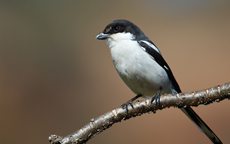
Despite the beautiful curiosity of a foraging Olive Thrush or the busy work of a male Weaver building a nest, it was the Fiscal Flycatcher that caught my attention when birding recently. This bird is a cute, tubby, medium-length tailed, black and white creature with a round head. I soon learned, however, that this “cute” Fiscal Shrike is in fact nicknamed the “butcher bird” – for good reason. They find insects to eat and then impale them on twigs or thorns before tucking in later! What do the cute little garden Mannequins hide, I wonder? I have yet to witness the Shrike’s butchering ways, but look forward to learning interesting, new chirps about birds on Big Birding Day 23 November.
Birding tips: There are different types of bird for each species, which means that correct identification in birding is vital. To identify a bird, you need a good eye or binoculars, and must focus first on the beak of the bird. A birding book is also handy. If you are not an expert, instead of identifying the type of bird and honing in on a few different species of a Thrush for example, use a large index of birds with accompanying pictures.
Interesting titbit: Wild African Grey Parrots find a mate and keep it for life. The mating pair develops its own language, understandable only to the two birds. Experienced birder and third year Zoology student, Kyle Lloyd, says that studies have found that this may be the reason that African Greys easily pick up the language of their human companion.

By Roxanne Daniels.