
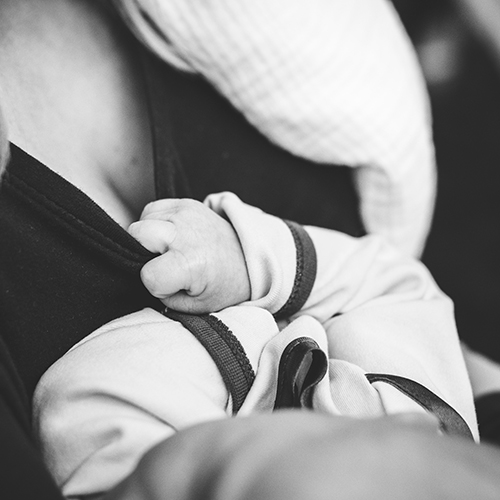
Women have been breastfeeding their babies for millennia, yet nursing mothers are often subject to shaming and verbal abuse if they dare to breastfeed in public.
“It’s an indictment on our society that we tolerate topless models in our fashion magazines, but that breastfeeding mothers are chased out of public spaces on a daily basis,” says Stasha Jordan, breastfeeding activist and executive director of the South African Breastmilk Reserve (SABR).
“Many mothers are forced to use public bathrooms to feed their babies rather than face this kind of abuse,” says Jordan. “A public toilet is one of the most unhygienic and dangerous places to nurse your infant,” she continues.
When a toilet is flushed without first closing the lid, fine droplets of excrement are sprayed into the air. These can drift around the room for up to two hours after each flush before finally settling, invisibly, on surfaces throughout the area. These droplets carry a wide variety of pathogens, including viruses and bacteria, many of which could prove deadly to an infant’s fragile immune system.
Breastfeeding at work is already protected under South African law. The Basic Conditions of Employment Act (BCEA) stipulates that employees with infants must be allowed two breaks of 30 minutes each, every working day, to allow for breastfeeding or expressing milk.
“Breastfeeding is vital to the wellbeing of our future generations,” says Jordan. “Our responsibility is to encourage and support mothers, not to harass or shun them.”
To get involved and alleviate the challenges faced by SABR visit their website or contact them.