
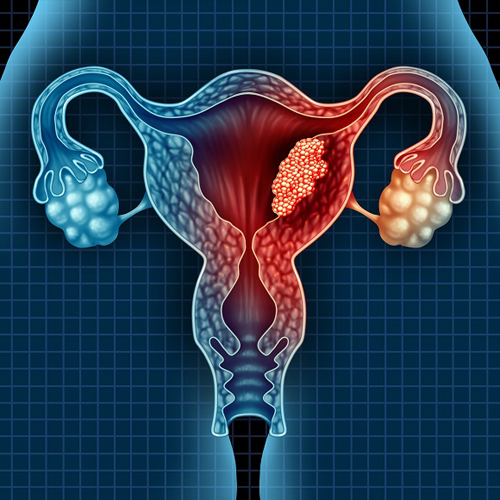
In South Africa, Cervical Cancer Awareness Month is commemorated annually in September to encourage women to do screening and prevent cervical cancer.
The goal of screening for cervical cancer is to find cervix cell changes and early cervical cancers before they cause symptoms.
Cervical cancer is the 2nd most common cancer among South African women. Women have a 1 in 42 lifetime risk of cervical cancer (NCR 2014). It can be successfully treated if detected in the early stages, so it is important that women are aware of symptoms and what is normal for their bodies.
Symptoms include: Abnormal bleeding between periods, heavier and longer menstrual period, discharge, bleeding, pain during intercourse/after menopause, increased urinary frequency.
Reduce Risk through Pap Smears
Having regular Pap smears can detect abnormal cells in the cervix that could develop into cervical cancer. Screening involves taking a swab of the cervical cells. It is uncomfortable, but painless.
When abnormal cells are identified and removed, in many cases it is prior to cancer cells actually developing.
Early diagnosis and treatment of pre-cancerous lesions prevents up to 80% of cervical cancers, in high resource countries, where cervical cancer screening is routine.
Who should have a Pap smear?
All women who have been sexually active, should start having Pap smears between ages 18 to 20 years.
Every eligible woman should preferably have a Pap smear at least every 3 years.
Visit www.cansa.org.za for more info.