
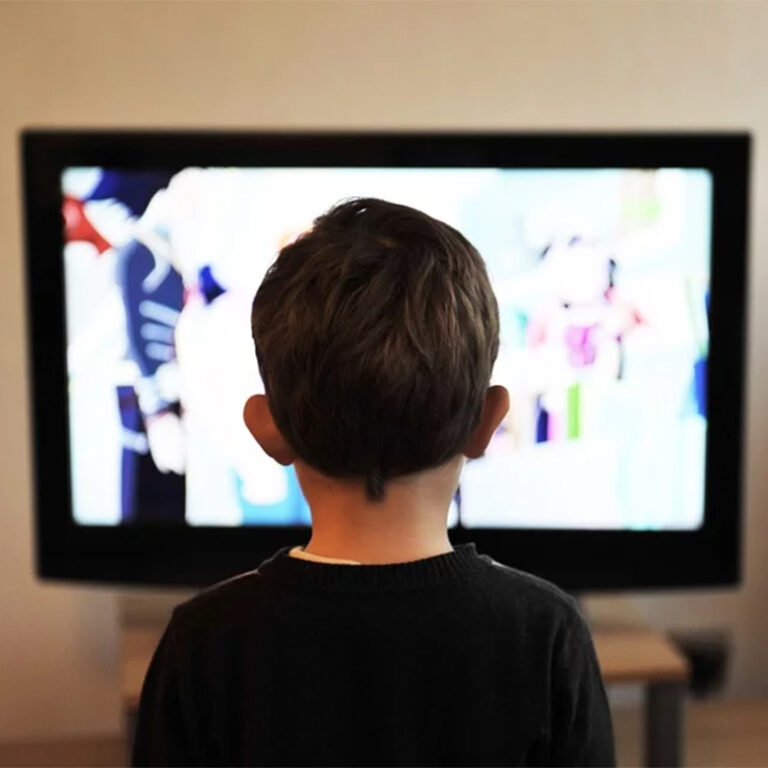
Is watching videos before going to sleep wrong?
I now believe that we cannot raise our children the same way we were raised, because we were raised in a very different world.
Before my daughter was born, I vowed she would not be exposed to a screen in any form until she was at least three years old. When she was 14 months old, tired of having to wrestle my phone away from her, I bought her her own tablet. My justification was that we travelled a lot at the time and having her distracted watching nursery rhymes on YouTube during long waits at the airport was safer than having her runoff. Airports are big scary places, anything can happen!
Of course, her screen time was not limited to just when we were on a flight or in an airport. If I had to get something done, I’d hand it to her. If I needed a quiet moment, Dave and Ava to the rescue!
She will be three this month and the amount of time she spends on her tablet varies from day to day. She still loves books, story-telling and making puzzles, she plays outside every day, she builds castles with blocks, sings her dolls to sleep and is obsessed with play dough and slime (which she uses to make the meanest crème brulee). But at bedtime, she cannot calm down and ease into sleep without Peppa Pig or Wendy and Emma.
I grew up reading a book before going to bed and most child care experts advocate including this in a child’s bedtime routine, but my daughters (my second one is 18 months) cannot focus on a book before bed. However, give them their tablets and they have something they do focus on and are asleep after just a few minutes. I downloaded a blue light filter, which suppresses the blue from the screen. Blue light from screens decreases the release of melatonin, which is a hormone necessary for sleeping. This filter also reduces strain on the eyes.
There are some days that my daughters have more screen time than I know they should. But how much is too much?
“I would say more than an hour a day – as an hour a day is generally the recommended guideline,’ says Tamaryn Hunter, occupational therapist, and owner of TamOT4Kids.
Asked about the negative effects screen time has on children, Tamaryn says, “We normally see difficulties with concentration and a decreased ability to focus on day to day tasks because of the passive nature of screen time. There are often delays in language development/communication and social interaction as a result of the lack of back and forth interactions; and there are often difficulties with the development of motor skills because when children spend excessive amounts of time in front of a screen they are losing out on opportunities to perform activities and refine their skills.”
Tamaryn advises that children should be at least three years old before they are allowed screen time. ‘Prior to this, they are developing the foundation for all areas of development including attention, cognition, communication, engagement, postural control (strength in their core muscles), motor skills, planning and problem solving.”
Screen time does come with some advantages, though. “It can be a nice medium for learning concepts like colours, shapes, counting, numbers, letters etc.,” says Tamaryn.
Tamaryn’s tips on how to ‘detox’ a child from too much screen time:
- Spend time playing with your child – they will love the attention and will have the opportunity to develop their social and communication skills.
- Find activities and toys that they really enjoy and will be motivated to do/play with.
- Sign them up for some extra-mural activities.
- Give them different experiences like going to the beach, to the zoo, an animal farm, a playground, a bicycle track and a park etc.
- Have screen-free Sundays – a whole day where the family spends time together doing things they enjoy.
- Be a role model – if you are constantly on the phone, then you can’t expect your children to be any different!
By Khurshid Guffar.