
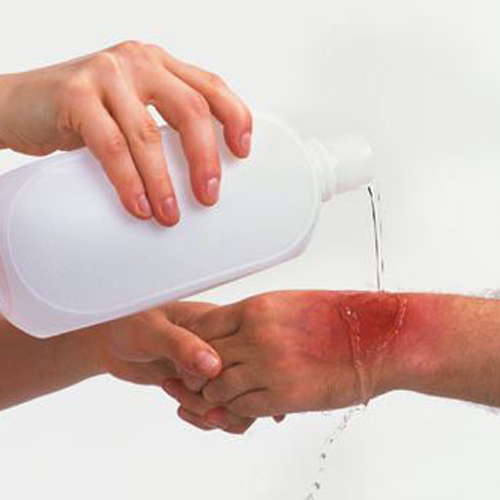
This Burns Awareness Month, Dr Des Ferreira offers some advice on treating burns correctly. All parents should be prepared to treat childhood burns correctly and immediately.
1. COOLING should commence as soon as possible. Target the affected area with cool, running water for 20 minutes in total. Do not use ice! It can worsen tissue damage. Use Hydrogel burn products (e.g. Burnshield) only if no water is available during this time.
2. Irrigate eyes with copious volumes of water.
3. PAIN RELIEF should be given immediately at the maximum dosage: Paracetamol @ 20mg/kg and Ibuprofen @ 10mg/kg. It can be given simultaneously.
4. Rush your child to the closest medical facility if there is any chance of inhalation burn wounds. Children with hoarseness, black sputum or any respiratory distress might need intubation. Respiratory symptoms usually get worse after exposure and the earlier an airway is secured-the better. Once the airway is swollen, it is very hard to secure oxygen flow.
5. Hydration is important!
Major burn wounds will be treated aggressively in hospital. Superficial burns can be treated without a dressing, but if the skin is broken, a protective, moist dressing (e.g. Jelonet) with an antiseptic ointment with Silver Sulphadiazine (e.g. Bactrazine) should be applied to prevent secondary infection. If the area around the wound becomes red or pussy, consult your general practitioner for oral anti biotic treatment: Infected wounds can be dangerous and lead to scarring. Aside from the pain and the emotional and physical costs of treatment and hospitalisation, there is a lot of guilt associated with childhood burns, because it usually happens within the home.
Parent should be vigilant – prevention is better than cure!
By Dr Des Ferreira