
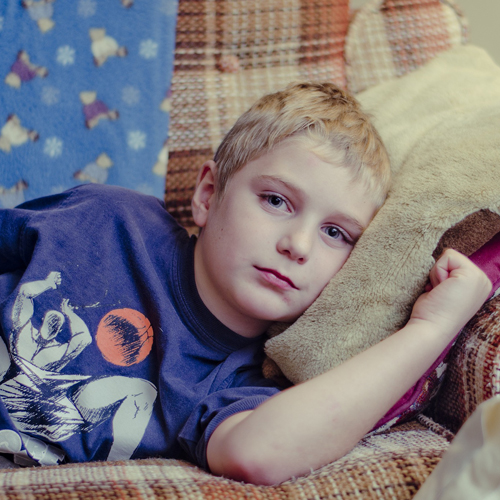
Unfortunately, as the summer temperatures rise, so does gastro-intestinal upset, specifically vomiting and diarrhoea.
Prevention is always better than cure. Hand washing is our biggest defence.
We should be washing our hands before every meal and after using the bathroom, and so should our kids. When preparing food, it is important to wash all fresh fruit and vegetables, keep refrigerated items cool once leaving the shops, and head straight home after the grocery store to
get those products into the fridge as quickly as possible.
When your little one has diarrhoea, the most important thing to focus on is their hydration. With each episode of vomiting or diarrhoea, your child is losing half a cup of fluid, as well as important electrolytes and sugar.
We recommend that you keep offering children fluids to sip on, first trying something that they enjoy. A sports drink of sorts with electrolytes is usually well-received, and can be diluted if it’s a bit too sweet. We become very concerned when a child cannot keep any fluids down.
From a food point of view, it is okay if a child does not want to eat for a day or two, provided they are drinking. If a child is hungry, offer them plain carbohydrates such as rice or toast, and avoid dairy products and anything fatty or oily for a couple of days.
Most germs that cause acute gastroenteritis are viruses, most commonly Rotavirus.
Expect the diarrhoea to last for a couple of days – generally, it clears within three to five. It is often only necessary to use symptomatic treatment while the body fights off the infection.
I suggest you see your family doctor if you notice blood or mucus in the stools, if the symptoms persist for more than a week, or if the patient is unable to keep down any fluids. These may be signs that further treatment is needed.
By Dr Megan Broughton, www.umhlangagp.net.