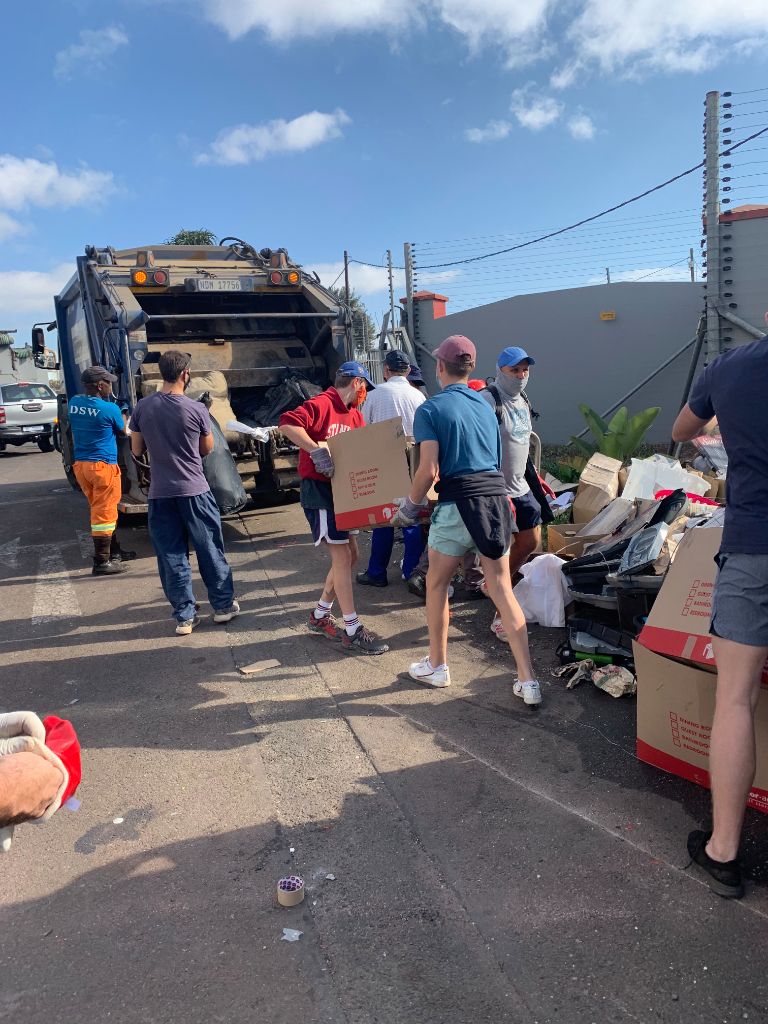
Shirley le Guern chats to members of our community who supported each other during and after the recent riots and looting, proving there’s power in numbers.
“I saw terrible things. Sometimes I wake up hearing the sounds of bullets going over my head,” says Matthew Laing, an insurance broker and responder with Hillcrest Park Neighbourhood Watch.
He and fellow community members faced looters at Brackenhill on Sunday night, 11 July. Throughout the next day they protected the Hillcrest CBD, standing up to a mob armed with guns, pangas, knobkerries and knives. Over eight days, he had around eight hours of sleep.
As panic rose over food and fuel shortages, some shops were persuaded to reopen and Matthew says their job switched from defending to protecting – whilst also helping the elderly and essential workers to get supplies.
“This period brought out the best and the worst in people. I saw a lot of very, very brave people out there. A lot of community members need counselling. We set out not only to protect but to boost morale. People were terrified,” he says.
Counselling, formulating a readiness plan, and getting sponsorship for equipment needed should violence flare up again are on Matthew’s to-do list. He is also helping with the return of looted goods.
Tasha Sloan started a Facebook page entitled Rebuilding Upper Highway, all the way from Bloemfontein. She responded to her retired parents’ need for information and food, and realised many others faced the same fears. Tasha invited those needing help to post, as well as those wanting to volunteer.
“We reached over 10 000 people in just three days. I have only had to delete three negative posts, which has been outstanding. It has been all about the community and the volunteers who stepped up and picked up brooms and spades. The outpouring of love, hope and support was the greatest achievement. People had given up, and this proved them wrong,” she says.
The Facebook page was linked to WhatsApp groups that organised the clean-ups. It also spawned similar pages around Durban.
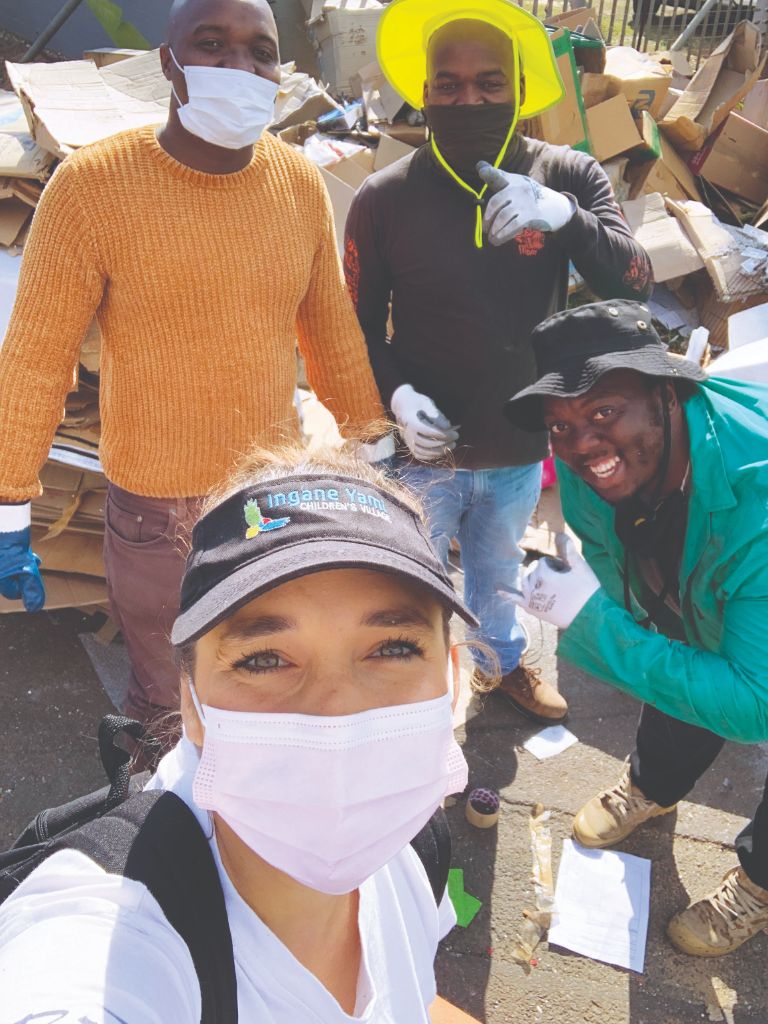
Gabriella Tripepi Thomas, a mom of two and teacher at Ingane Yami Children’s Village in Shongweni, was one of those wielding a broom. Despite having had to evacuate her Waterfall home, she started two WhatsApp groups to keep people informed.
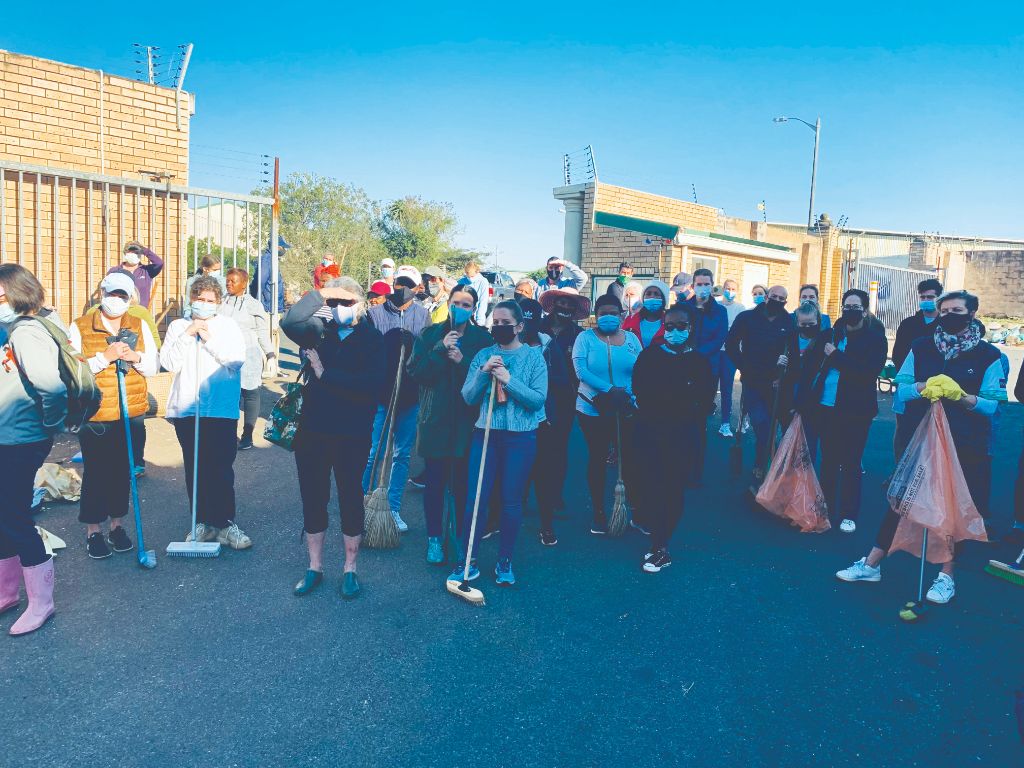
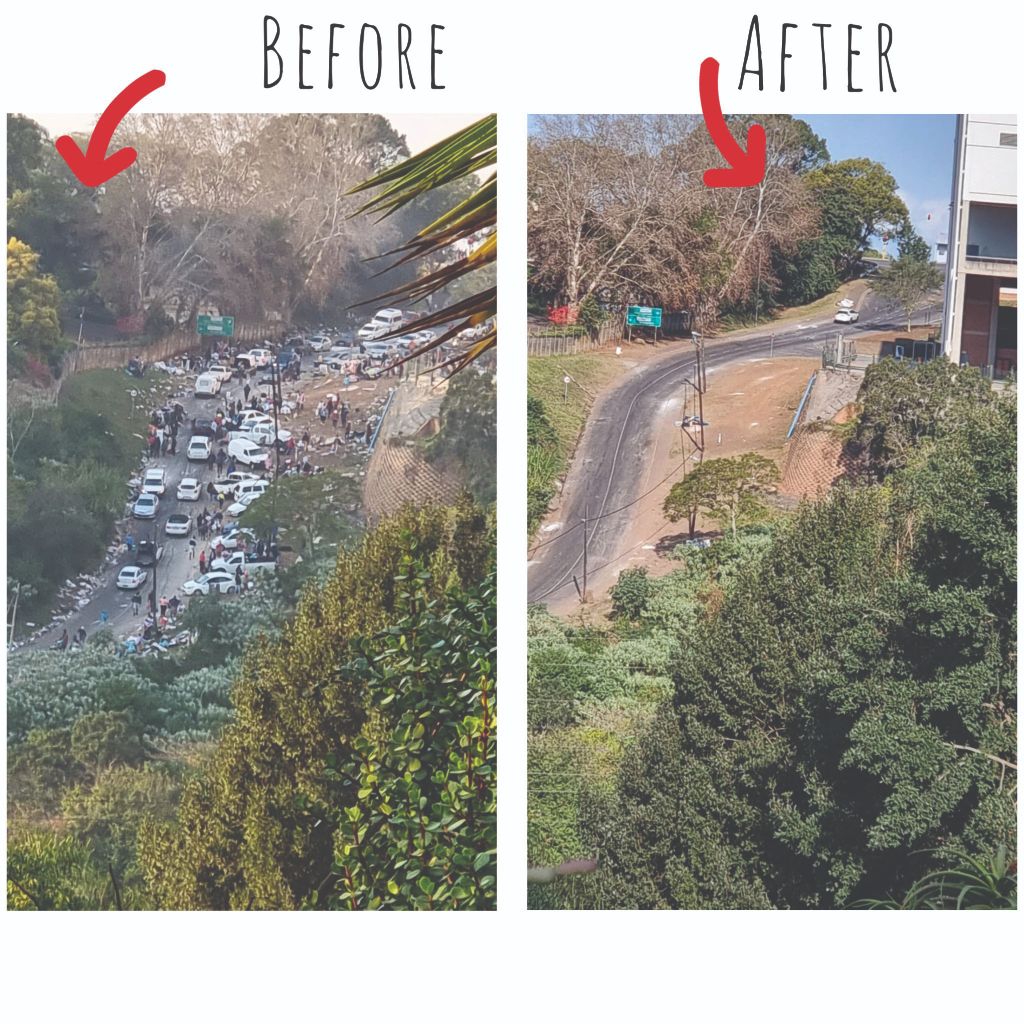
Her first attempt to muster a clean-up crew for Brackenhill Road was touch and go, she says. “I didn’t know if people would pitch up. We asked them to bring shovels, brooms and black bags, and to wear white shirts to identify themselves,” says Gabi. About 50 people arrived and, watched over by community patrollers, cleaned most of Brackenhill Road in just a day.
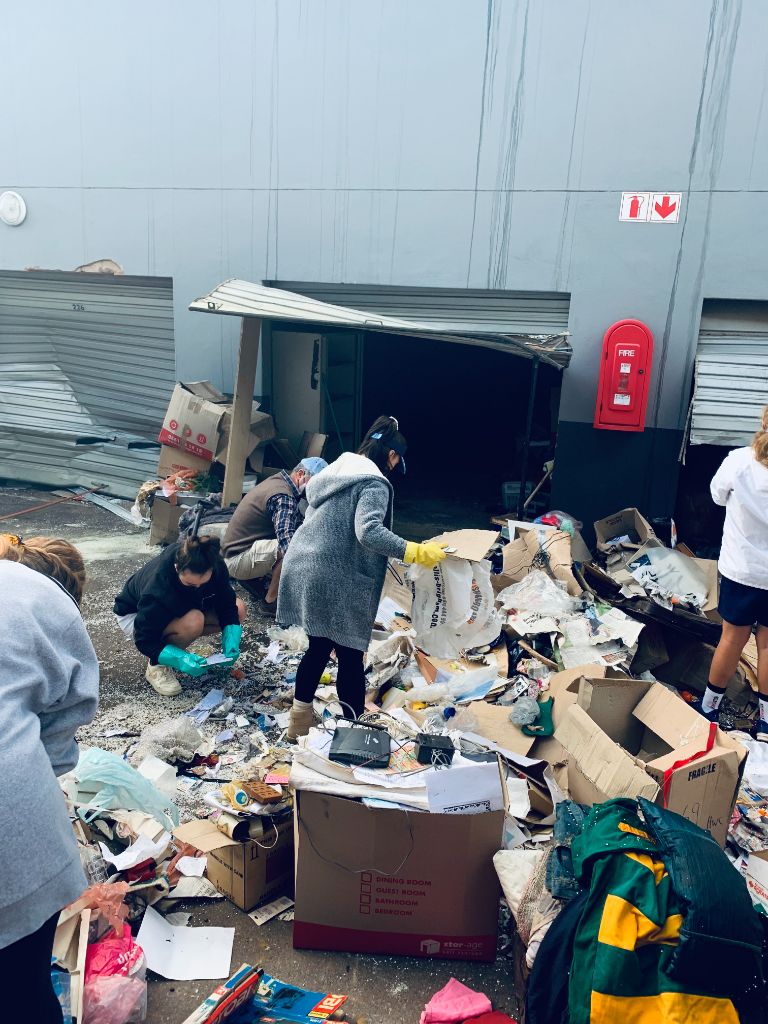
The looted Watercrest Mall was next on the list. On day two hundreds of people arrived, and the parking lot and lift atrium were clean by 9am. “We were picking up everything from rice and pasta, to clothes and jewellery. I can’t even describe the devastation. It was worse than cleaning the road, because we knew this was people’s livelihoods,” she says – and remembers how ward councillors offered support, DSW supplied gloves, black bags and brooms. Companies and communities provided refreshments.
The team moved on to the top part of Brackenhill Road and then, the next day, began to help clean out factories and distribution centres, followed by storage units the following day. Again DSW was on hand with black bags, whilst members of the valley community plucked up the courage to join their neighbours. Pastors joined in, and prayed with cleaners and those that had lost their businesses and belongings.
By Friday that week, a very tired Gabi was back home with her family. “You have to look destruction in the face and choose what you are going to do. Restoration doesn’t stop at your front door. There is power in numbers. We can get more done together no matter what race, age, and gender. We were all one at that time, and we have to remember to keep that spirit of togetherness.”
A HEART FOR THE COMMUNITY
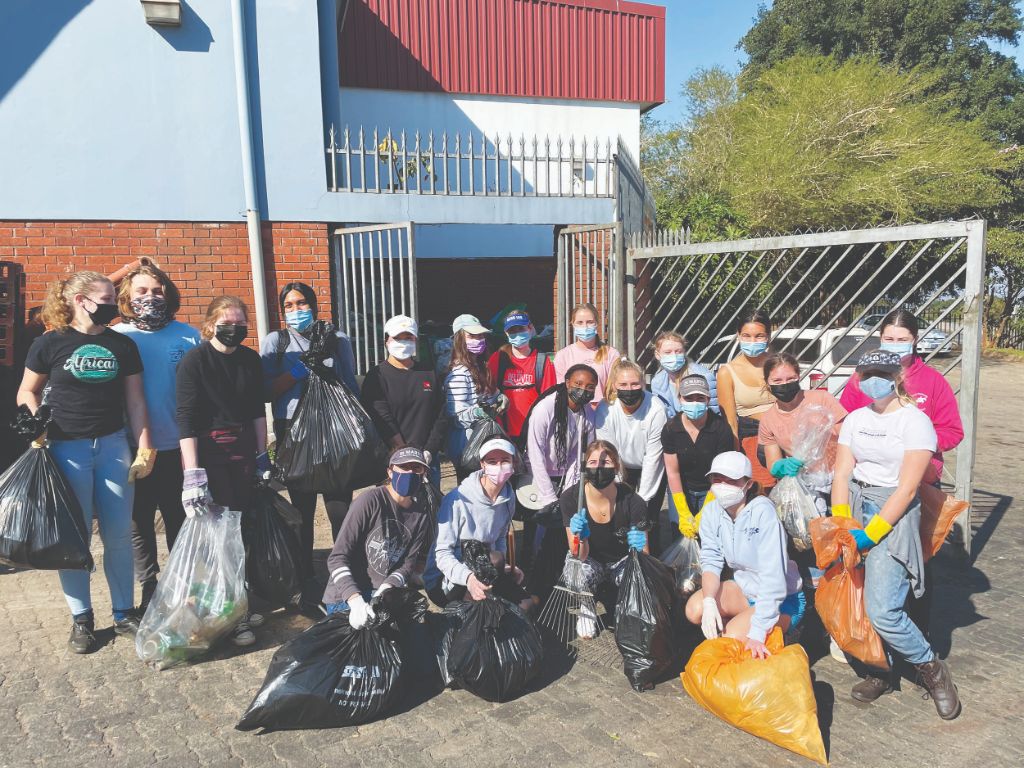
“The Westmead clean-up was an incredible representation of the power of unity. St Mary’s girls, both past and present, as well as their families and staff members, sacrificed their time to pick up rubbish on the streets,” says Erin Lombard, deputy head girl of St Mary’s and head of service at the school. The Westmead clean-up saw over 3 500 volunteers collect 25 000 bags of rubbish in the areas surrounding Goodwood Road. “Having a heart for the community is something that we as a school take very seriously and our girls from Grade R to Matric are very involved with charities and communities in and around d the Upper Highway area. We applaud all the girls, staff and community who stepped up and, as a unified team, helped with the cleaning up operations,” says Nicole Taylor, teacher in charge.
IMIFINO FILLS EMPTY TUMMIES
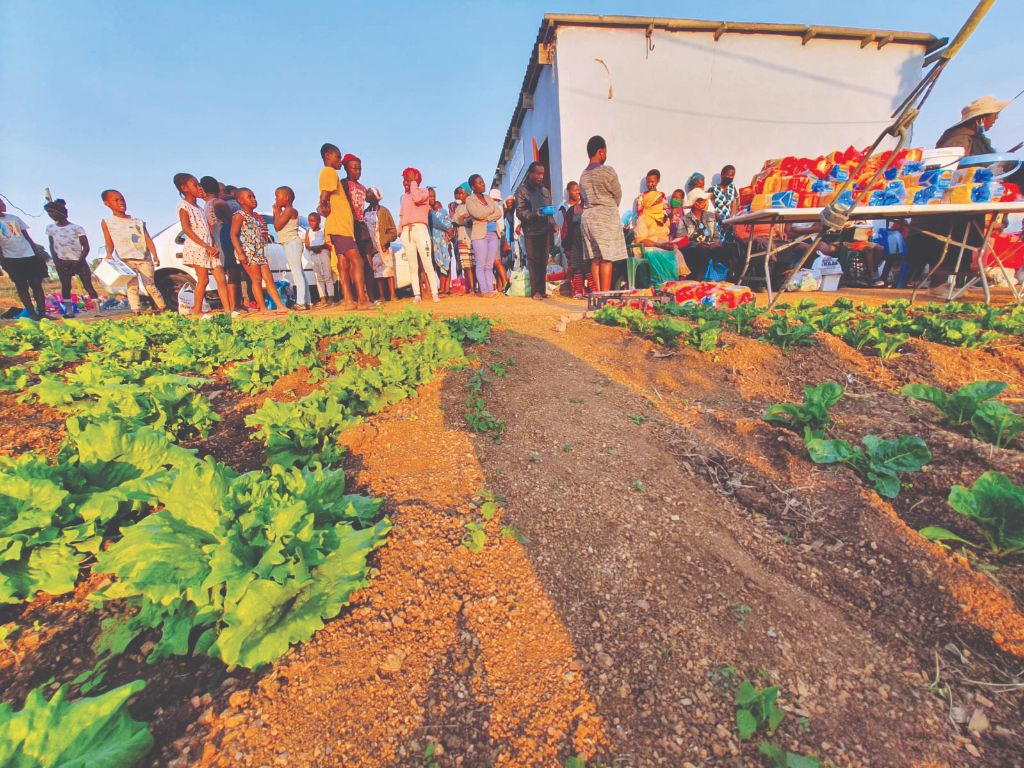
By the time NGO Imifino responded to the food crisis in local communities, many children hadn’t eaten for three days. The local shop was burnt down, cutting off the food supply and again highlighting food insecurity in the area.
“There was a desperate need for food. We immediately restarted cooking nutritious meals in our giant cast-iron potjie pots, traditional style, over wood fires. People from the community contributed in so many ways, including dropping off vegetables and joining in on the chopping in the outdoor kitchen we created on Moontree Organics farm,” explains founder Kaz Wilson. So far, she estimates that over 1 800 meals have gone out, mostly to children and the elderly. The generosity of locals in and around Assagay also helped Imifino to reach out to the many mothers who had no nappies, baby food or formula for their infants.
BREAD AND MILK
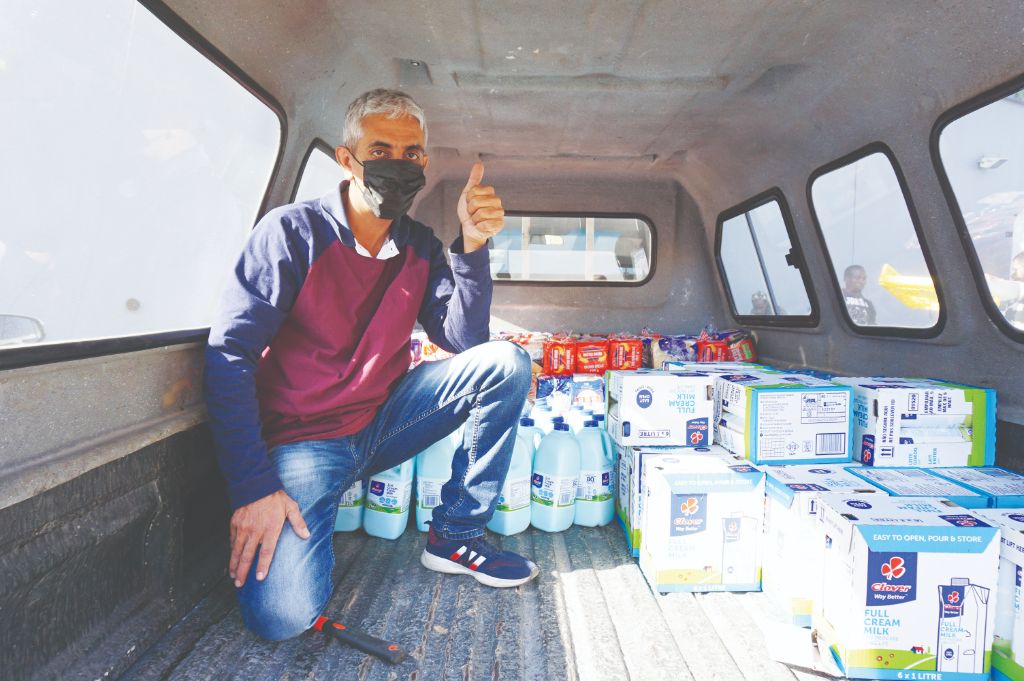
Osman Hassim with supplies which were trucked up the M13 for distribution during the height of the violence. At least 20 different businesses, NGOs and NPOs – including Muslims for Humanity and the Natal Memon Jamaat Foundation (NMJ) – distributed over 60 000 loaves of bread and litres of milk to communities impacted by infrastructure and looted shops in the greater Durban area.