
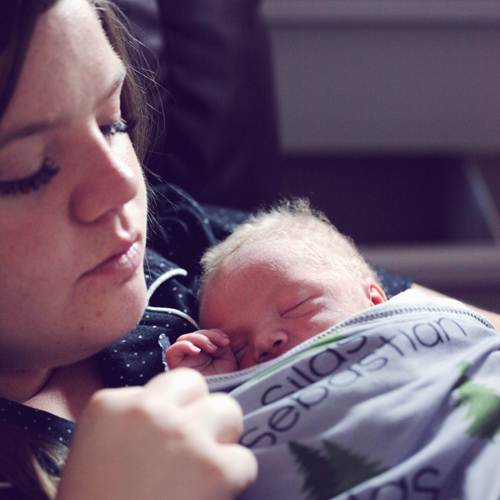
Some mothers may experience post-traumatic stress (also known as birth trauma) following childbirth, which may be caused by real or perceived trauma either during delivery of the baby, or shortly after childbirth.
There are many different possible traumas which could be experienced, including (but not limited to):
• A traumatic labour or birth including excessive tearing or bleeding
• Pregnancy loss or stillbirths
• Complications for the baby during or after delivery, such as injury or hemorrhage
• Unplanned C-sections
• Need for the baby to go to the NICU
• Illness of the baby shortly after birth, or diagnoses of chronic conditions, illness, or disability
• A history of abuse acting as a trigger for a traumatic response
• Lack of support and reassurance during delivery, or feelings of powerlessness during the birth
There is limited research available internationally, but it is estimated that upwards of 9% of women experience traumatic child delivery. Of that, 9 to 15% experience PTSD following childbirth. It is important to note that the experience may be traumatic for the mother, even if there are no “obvious” signs of traumatic childbirth to the family, friends, or delivery team.
Symptoms of post-traumatic stress may include flashbacks and nightmares, irritability, recurrent and involuntary memories or thoughts about the birth, avoiding things that are associated with the birth or bring up memories of the event, and obsessing over anything relating to your child. Other symptoms could be anxiety, insomnia, irritability and feeling on edge, panic attacks, having a sense of detachment, difficulty breastfeeding and difficulty bonding with the baby.
If a diagnosis of PTSD is to be made, the symptoms need to be present for one month after childbirth. There is a difference between this and postpartum depression, as well as other postpartum disorders. While it may feel difficult to talk about what you’re feeling and experiencing, communication with the obstetrician/gynaecologist, midwife, or other professionals involved in your childbirth is essential so that you can get the help that is available.
Options for treatment include medication (it’s best to see a specialist psychiatrist who can work in conjunction with your other doctors where needed), psychotherapy, group support, and psycho-education. Parent-infant psychology is also a valuable avenue, and family sessions would also be beneficial to encourage support and understanding.
If you or a loved one needs assistance, help is available at Akeso Pietermaritzburg. Akeso Pietermaritzburg offers specialist inpatient treatment and outpatient appointments for a range of psychiatric illnesses including anxiety and depression, dual diagnosis, eating disorders, ageing disorders, and post-traumatic stress disorder. They provide individual, integrated and family-oriented treatment.
References:
https://www.healthline.com/health/could-parenting-cause-ptsd#3
https://www.akeso.co.za/Articles/Read?ArticleID=901
https://www.postpartum.net/learn-more/postpartum-post-traumatic-stress-disorder/
https://ebn.bmj.com/content/8/2/59
https://www.theatlantic.com/health/archive/2015/10/the-mothers-who-cant-escape-the-trauma-of-childbirth/408589/