
We live in a constantly changing world, with some experts predicting that as many as 50% of the jobs that we know now, might not exist in 20 years time. Technology has and will continue to have a significant impact on the way we work and play. So long as you have access to technology you can get a lot done.
No one needs to be an expert or have a qualification to know a lot about something. This will change what we teach children in schools and universities. This will change what employers look for when hiring talent, and what people feel as work satisfaction. Of course this has implications for the way we raise and educate children. It is clear that we need to raise children who can deal with constant change.
At the same time, we need to capitalize on what is constant. So, what are the constants? The physical, social and emotional needs of people have remained largely unchanged for a long time. We still have those Maslow-needs for food and water, warmth, shelter, safety, love, friendship, accomplishment and actualization. This is unlikely to change any time soon.
Technology and innovation emerge in response to these needs. So if you are looking for a constant – despite all the globalization, innovation and technology – let’s focus on teaching children how to understand themselves and the people around them.
Emotional intelligence tools will become more and more important in an ever-changing and dynamic world. This will include skills around Empathy, Curiosity and Innovation, Resilience, Self-Image, Communication, and Embracing Diversity. Thankfully these are skills which can taught and fostered. We just need to focus on making sure this happens.
These skills can be fostered at school and at home, and are often learnt through the simple, everyday interactions we have with children. Take the time to identify these moments, slow them down to make sure learning takes place, and continue to role model good emotional intelligence in your own life.
There is no doubt children learn from what they see.
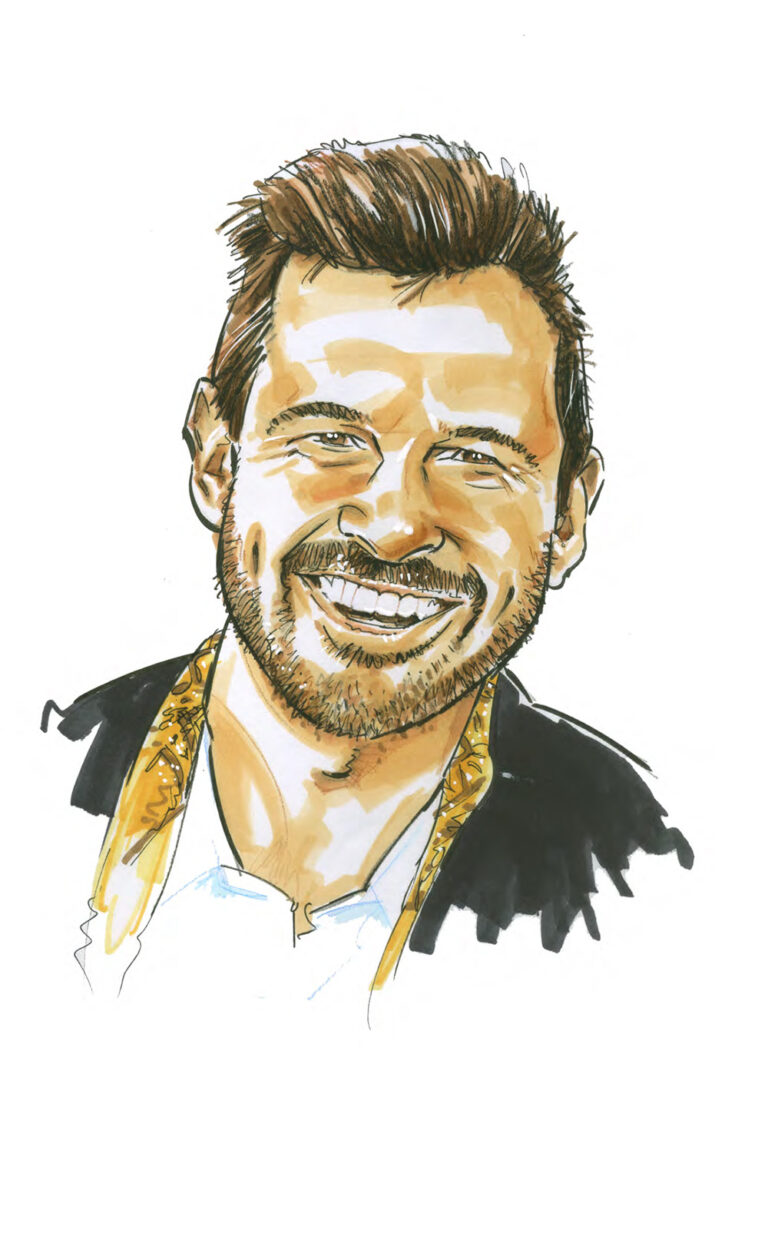
By Paul Bushell, a Psychologist and specialist workshop process facilitator.