
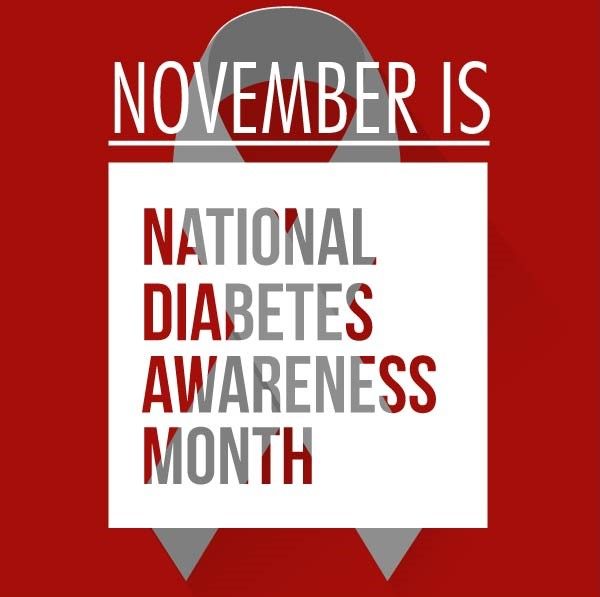
November is National Diabetes Month, which means it’s an excellent opportunity to look at the disease, its symptoms and the small changes you can make to your lifestyle to reduce your reduce your risk of diabetes and your families’ too. These changes may be as simple as eating less meat, and instead substituting with plant-based alternatives from restaurants, retailers, and brands.
Diabetes is a chronic condition that occurs when the pancreas is no longer able to produce the hormone insulin, or when the body can’t properly use the insulin it produces. This matters because insulin is essentially a key that unlocks our body’s ability to transport and convert glucose – our primary energy source, gained from eating carbohydrate starches and sugars – from the bloodstream to our muscles and organs.
Healthy lifestyle tips to reduce your risk of diabetes by Mayuri Bhawan, Registered Dietician (BSc Dietetics, University of the Western Cape), on behalf of The Fry Family Food Co:
Maintain a healthy weight
Losing just 5-10% of your body weight can slow or even reverse pre-diabetes. If that sounds overwhelming, remember to take it one step at a time. Make small changes to your diet and level of physical activity and set realistic goals over time.
Get physical!
Again, no need to go overboard with your efforts and possibly get discouraged. For example, take the stairs instead of waiting for the lift, and park further away from the mall entrance. You’re advised to get at least 2.5 hours of light aerobic activity every week, which translates into a brisk 30-minute walk five days out of seven. If you can only get 10 minutes at a time, that still adds up.
Make healthy food choices
First, adjust your portion sizes. It’s an effective way to manage body weight and blood glucose levels. Second, reconsider what you’re eating. Unsurprisingly, you’re advised to reduce your intake of all sugars (table sugar, honey, sweetened beverages, fruit juices, sweets, desserts and baked goods) and when it comes to starches, stick to wholegrain options as their fibre content improves glycaemic control and leaves you feeling fuller for longer.
Time to go veg – or flexitarian at least?
Another adjustment you can make to reduce your risk of diabetes is to consume less meat and more plant-based forms of protein instead. Researchers behind the Adventist Health Study-2 found that meat eaters had more than twice the prevalence of diabetes compared with lacto-ovo-vegetarians and vegans – even after correcting for Body Mass Index. Factoring in BMI, age and other influencing elements, vegans were still 62% less likely to develop diabetes than meat-eaters, while lacto- ovo-vegetarians were 38% less likely.
If you’re hesitant about changing your diet because you feel like you’ll miss meat, an excellent option is plant-based meat alternatives. Meat alternatives taste like the real deal but contain zero cholesterol and significantly lower amounts of saturated fat.
To learn more about Diabetes visit the Diabetes South Africa website on the link below.