
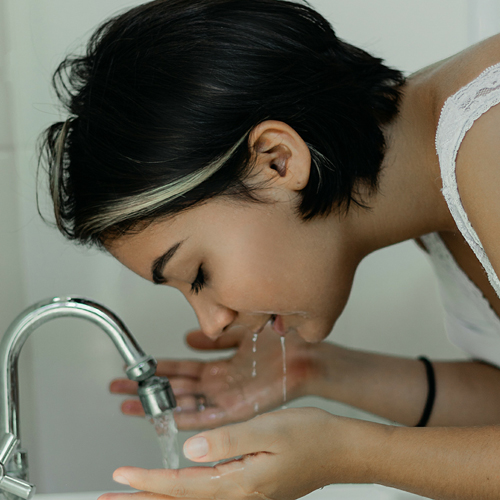
When puberty hits, acne often does, too. For most teenagers, it can be a painful and embarrassing experience when acne strikes. Acne affects about three-quarters of all individuals aged 11 to 30 years with varying severity.
Management of acne
Acne isn’t a serious health risk, but it can cause permanent scarring and can also damage self-esteem. In extreme cases it can even lead to depression and avoidance of social interaction.
If your teenager is feeling sad or isolated over their acne, it’s even more critical to reach out for support and get them professional treatment, because healing the acne usually restores their self-confidence.
Tips on dealing with acne:
- Gently cleanse the face twice daily
- Avoid greasy hair products
- Avoid excessive rubbing or exfoliating of the skin
- Avoid picking or squeezing the pimples
- Moisturise every day
Treatment:
Acne is treatable with the right skincare ingredients and routine. Homecare products play an important role in the treatment and maintenance of acne.
Since there are varying degrees of acne, there are different treatment recommendations. The degree of acne varies from person to person and can come and go. The goal of treatment is to reduce breakouts, prevent new breakouts and limit acne scarring.
Mild Acne
Over-the-counter topical medications (applied directly to the skin) may be all that is necessary. Look for products that contain resorcinol, benzoyl peroxide, salicylic acid, azelaic acid and sulphur which are responsible for slowing oil production, killing bacteria, fighting inflammation and clearing the clogged pores.
If over the counter treatment is not showing improvement, it’s time to seek professional help. Dermatologists use a combination of treatments. Options vary from prescribing medical-grade topical creams or a combination of topical creams and oral antibiotics. In severe cases, vitamin A derived tablets like Isotretinoin are sometimes required, but you should talk with your doctor about the risks and benefits before using them, as supervision is required.
Cosmetic methods like chemical peeling and microneedling can also be utilised to treat acne and complications like dark spots and scarring.
Treatment plans are gradual and take time and patience. It usually takes about 8 to 12 weeks to start seeing results. There is no need for teenagers to ‘wait out’ the acne as part of puberty, as effective treatment is readily available and early treatment avoids complications like scarring and pigmentation, as well as dealing with issues of self-esteem.
Source: Dr Cebi Sibisi, Specialist Dermatologist.