
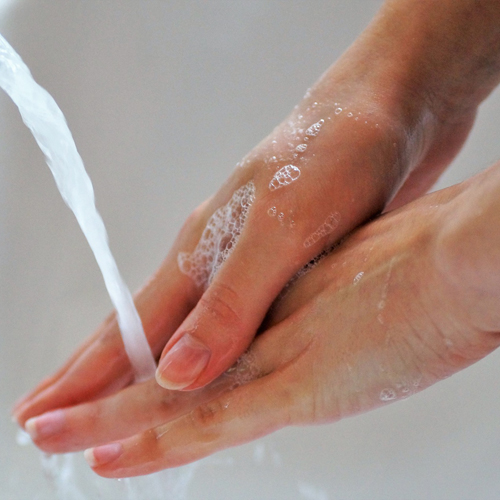
Handwashing is one of the best ways to protect yourself and your family from getting sick.
Centres for Disease Control and Prevention (www.cdc.gov) offers advice on when and how you should wash your hands to stay healthy.
How Germs Spread
Washing hands can keep you healthy and prevent the spread of respiratory and diarrheal infections from one person to the next. Germs can spread from other people or surfaces when you:
• Touch your eyes, nose, and mouth with unwashed hands.
• Prepare or eat food and drinks with unwashed hands.
• Touch a contaminated surface or objects.
• Blow your nose, cough, or sneeze into hands and then touch other people’s hands or common objects.
Key Times to Wash Hands
You can help yourself and your loved ones stay healthy by washing your hands often, especially during these key times when you are likely to get and spread germs:
• Before, during, and after preparing food
• Before eating food
• Before and after caring for someone at home who is sick with vomiting or diarrhoea
• Before and after treating a cut or wound
• After using the toilet
• After changing diapers or cleaning up a child who has used the toilet
• After blowing your nose, coughing, or sneezing
• After touching an animal, animal feed, or animal waste
• After handling pet food or pet treats
• After touching garbage
During the COVID-19 pandemic, you should also clean hands:
• After you have been in a public place and touched an item or surface that may be frequently touched by other people, such as door handles, tables, gas pumps, shopping carts, or electronic cashier registers/screens, etc.
• Before touching your eyes, nose, or mouth because that’s how germs can enter our bodies.
Wash Your Hands the Right Way
Washing your hands is easy, and it’s one of the most effective ways to
prevent the spread of germs. Clean hands can stop germs from spreading from one person to another and throughout an entire community – from your home and workplace to childcare facilities and hospitals.
Follow these five steps every time.
1. Wet your hands with clean, running water (warm or cold), turn off the tap, and apply soap.
2. Lather your hands by rubbing them together with the soap. Wash the backs of your hands, between your fingers, and scrub under your nails.
3. Scrub your hands for at least 20 seconds. Need a timer? Hum the “Happy Birthday” song from beginning to end, twice.
Use Hand Sanitizer When You Can’t Use Soap and Water
You can use an alcohol-based hand sanitizer that contains at least 60% alcohol, if soap and water are not available. Sanitisers can quickly reduce the number of germs on hands in many situations.
However, sanitisers do not get rid of all types of germs, so should only be used in addition to soap and water where possible.
Try GermStop Gel Hand Sanitiser – visit www.gmpharm.co.za for more information.