
Teaching your child good eating habits should start from the word go, writes registered dietician Julie Peacock.
Children should all be eating for nourishment, to sustain their bodies with food and nutrients that support and maintain their daily functioning, as well as their overall health and wellbeing.
It’s important to teach your children that specific foods have specific functions in the body and, all of them need to work in tandem to build strong bodies. For this reason, they need to be eaten daily.
Proteins provide the “bricks”, i.e. amino acids, that are needed to build bones, teeth, muscles and other cells in the body. These foods are the builders.
Carbohydrates/starches are the body’s petrol, supplying us with energy/fuel for exercise, concentration, sport, etc.
Fats are the handymen, which keep the body in good working order.
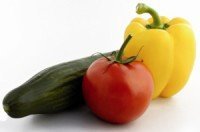
Vegetables and fruits are the body’s policemen, which contain the “weapons” that fight off harmful germs, colds, flu and other infections.
Refined foods like cakes, sweets, crisps, sweet biscuits, etc. do not have a “job title” and are actually not essential for the body to function!
Balanced meals should consist of:
- A builder (protein)
- A petrol food (starch)
- Two or more policemen (vegetables and fruit)
- A handyman (nutritious fat)
Encouraging your children to eat a balanced, healthy diet takes time, effort, thought, lots of patience and perseverance. Here are a few important tips to keep in mind:
- Teach them what types of foods their bodies need to keep them healthy
- Make healthy foods and snacks visible and easily accessible
- Be creative and different
- Tempt them with healthy, nourishing food and snacks
- Set a good example; we are role models to our children, even when it comes to eating!
- Don’t allow non-nutritious food to replace essential, healthy food; keep treats for special occasions/weekends only
- Believe in what you are trying to achieve
- Persevere
Optimal nutrition is the foundation of health, and establishing balanced eating from an early age will stand your children in better stead for their futures.
 Nutrients and other functional food components that occur naturally in food act with each other to promote optimal health. Natural food also provides fibre, which is important for regular bowel movements, increasing satiety (the feeling of fullness) and maintaining stable cholesterol levels.
Allergies are often confused with food intolerances or sensitivities. Allergies always involve the immune system and manifest with body symptoms like eczema, rhinitis, ear infections, asthma, etc. Food intolerances involve the digestive system and result in symptoms like nausea, bloating, stomach cramps, diarrhoea, etc. Children with allergies and intolerances are generally not happy children, and even small amounts of offending foods can bring on symptoms.
Probiotics are sometimes required to maintain the integrity of the gut by enhancing the immune system and improving the symptoms associated with allergies. A dietician with a special interest in food allergies can assist you with menu options, shopping lists and food preparation skills to deal more effectively with food allergies.
 e-mail Julie Peacock or telephone 031 563 7470
Log on to www.dietetics.co.za to locate a dietician in your area.